Moving to Florida: What Every New Resident Should Know Beforehand
Thinking about Moving to Florida and searching for the best moving company to help you get settled? You’re in good company. Florida attracts hundreds of thousands of new residents each year thanks to its sunshine, tax benefits, booming job markets, and beautiful coastlines.
But moving to Florida isn’t the same as moving to any other state. Between the weather, the rules, the logistics, and the lifestyle differences, there are a few things every new resident should know before making the big move. Here’s your complete guide to making your Florida relocation smoother and stress-free.
1. Moving to Florida and Understanding that Hurricane Season Isn’t Just a Season, It’s a Factor in Your Move
Florida’s hurricane season runs from June 1 through November 30, and it affects everything from traffic to scheduling to insurance availability. Even smaller tropical systems can:
-
delay travel plans
-
close major highways
-
cause bridge and causeway restrictions
-
force movers to reschedule
-
interrupt power or water services
If you can choose your move date, try to avoid August and September, the peak months for storms. If you must move during this period, the best moving company in Florida will help you plan around weather risks and stay updated with local advisories.
2. Moving to Florida and Knowing that HOAs in Florida Are Serious About Their Rules
Many Florida communities operate under Homeowners Associations (HOAs) or Condo Associations, especially in South Florida and coastal areas. These groups often enforce strict move-in guidelines that may include:
-
limited moving hours
-
required elevator reservations
-
truck size restrictions
-
insurance documentation (COIs)
-
access approval forms
-
security check-ins
Failing to follow these rules can result in rescheduling your move, or paying unnecessary fines.
Before moving, ask your realtor or property manager to provide all HOA move-in requirements so you can plan ahead.
3. Moving to Florida and Learning that Insurance Coverage Works Differently in Florida
Florida’s mix of humidity, hurricanes, and coastal living means insurance here can be more complex than in other states. Before you move:
-
verify whether your renters or homeowners insurance covers items in transit
-
check whether moving insurance applies in Florida
-
consider supplemental coverage for high-value or fragile items
-
confirm whether your mover provides additional valuation protection
Some insurance providers exclude damage caused by weather, so understanding your coverage in advance helps prevent surprises.
4. Moving to Florida and Running into Parking, Permits & Building Rules That Can Slow You Down
In busy Florida cities such as Miami, Orlando, Tampa, Sarasota, and Fort Lauderdale, moving day logistics may require:
-
temporary street parking permits
-
loading zone reservations
-
designated move-in hours
-
certificates of insurance (COIs)
-
access approval from building management
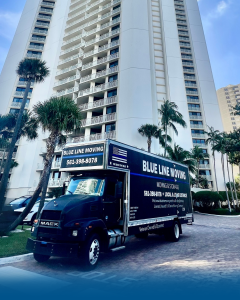
High-rise condos, in particular, often require advance elevator reservations, and skipping this step can delay your move by hours. The best moving company in Florida will help coordinate these details to keep everything running smoothly.
5. Moving to Florida and Choosing a Local Moving Company With Actual Local Expertise
Whether you’re coming from out of state or moving within Florida, working with the best moving company in Florida makes an enormous difference. Local movers understand:
-
traffic patterns during tourist season
-
bridge restrictions and toll roads
-
coastal weather challenges
-
HOA regulations
-
condo and high-rise policies
-
how to protect furniture from humidity and heat
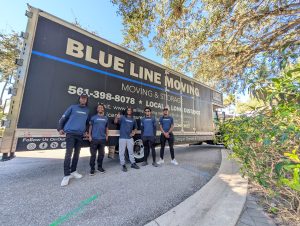
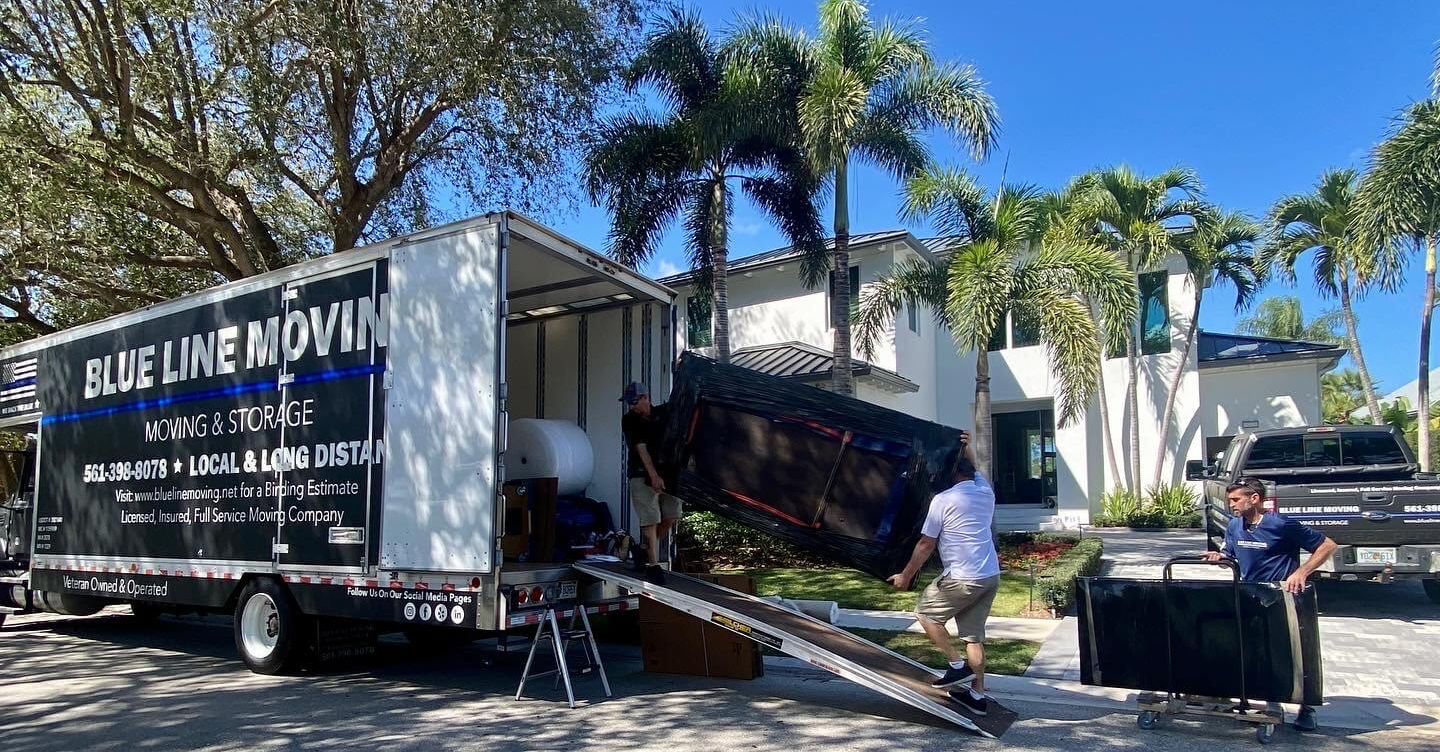
Florida-based movers handle these factors daily and can help you avoid the most common relocation mistakes. Companies like Blue Line Moving know exactly how to protect your belongings and streamline your move from start to finish.
6. Florida Living Comes With Lifestyle Adjustments
Beyond the logistics, moving to Florida also means embracing a new environment:
-
Humidity: affects electronics, wood furniture, and artwork.
-
Heat: requires careful planning for items left in trucks.
-
Pests: sealing boxes and storing things properly is essential.
-
Sun exposure: can damage certain materials if left uncovered.
A mover experienced in Florida relocations knows how to pack and protect your belongings so they arrive in perfect condition.
Final Tip: Make Your Florida Move Smooth From Day One
Florida is an amazing place to live, but the logistics of relocating here can get complicated without the right support. From unpredictable weather to strict HOA regulations, having expert help makes all the difference.
At Blue Line Moving, we help families move to Florida and move through Florida every single day. Our team knows the roads, the rules, and the unique challenges of the Sunshine State, and we’re here to guide you every step of the way.
Ready for a stress-free Florida move? Contact us today for your free quote.